Understanding the Psychological Impact of Gambling on Decision-Making
 Por admin
 24/04/2026
 0 comentários
Understanding the Psychological Impact of Gambling on Decision-Making
The Nature of Gambling and Decision-Making
Gambling often involves high-stakes decisions that can significantly impact an individual’s financial stability and emotional well-being. The thrill of potential winnings can cloud judgment, leading players to make decisions that defy logic. A study revealed that many gamblers often overestimate their chances of winning, driven by cognitive biases such as the illusion of control, where they believe they can influence outcomes through their actions or choices. Many players enjoy the offerings at https://pinco-official.ca/ to explore their luck.
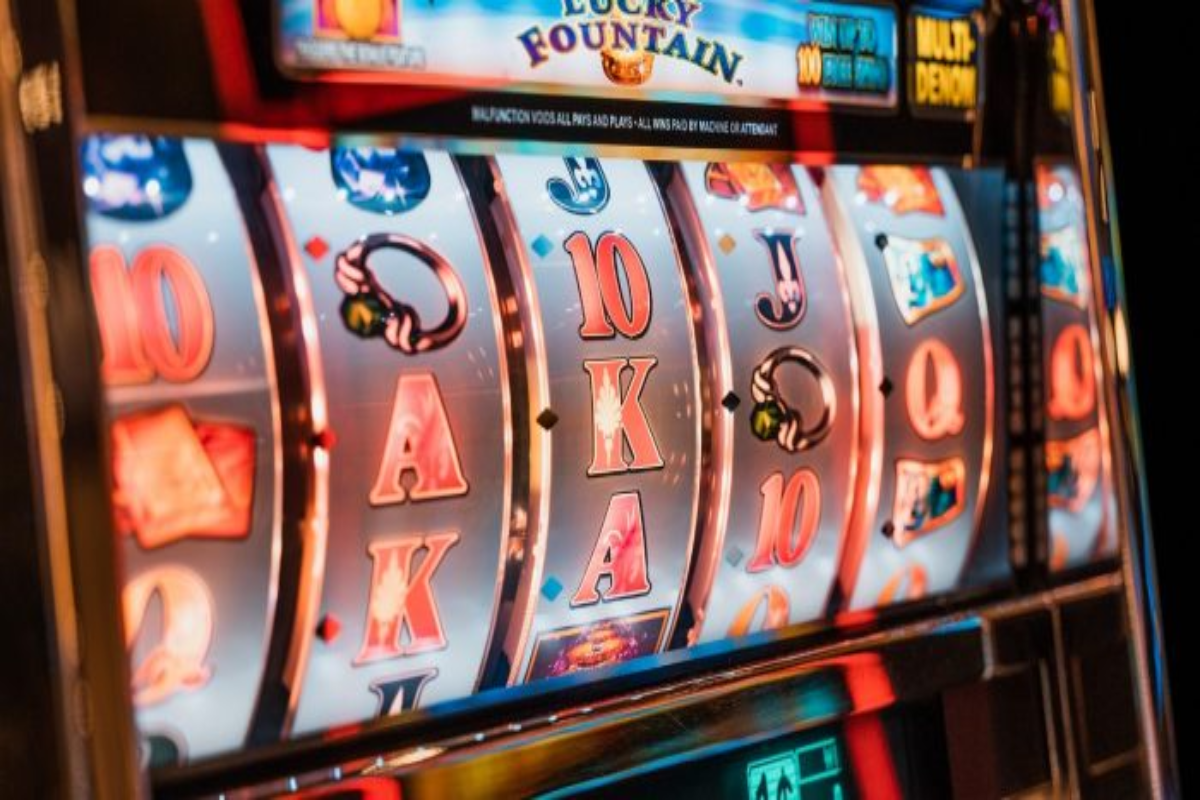
This skewed perception can lead individuals to take greater risks, often chasing losses in a desperate bid to recover their funds. Such behavior illustrates how the emotional highs of gambling can distort rational decision-making. The excitement generated by winning a game can reinforce this flawed thinking, making it even harder for individuals to step back and assess their choices critically.
The environment in which gambling takes place also contributes to decision-making processes. Factors such as noise, lighting, and even the presence of other players can create an atmosphere conducive to impulsivity. This high-energy environment can heighten emotional responses, making it challenging for individuals to maintain a level-headed approach to their gambling decisions.
Psychological Factors Influencing Gambling
Numerous psychological factors influence how individuals engage in gambling. For instance, the thrill of risk-taking can be appealing for many, offering a temporary escape from daily stressors. This thrill-seeking behavior can stem from underlying psychological issues such as anxiety or depression, where gambling serves as a coping mechanism. As such, understanding these motivations is crucial for grasping the decision-making process within Pinco Casino contexts.
Furthermore, cognitive distortions play a significant role. Gamblers often exhibit confirmation bias, focusing on past wins to validate their continued participation while ignoring losses. This selective memory can create a distorted perception of reality, encouraging poor decision-making as players continue to gamble despite negative outcomes. Over time, these distortions can exacerbate gambling addiction, trapping individuals in a cycle of poor choices and emotional distress.
Social influences also contribute to decision-making in gambling environments. Friends or family members may inadvertently encourage risky behaviors, reinforcing the idea that gambling is a social activity rather than a serious risk. The approval or disapproval from peers can lead individuals to make impulsive decisions to fit in, often compromising their judgment. Therefore, it is vital to understand both individual and societal factors when examining gambling behaviors.
The Role of Emotions in Gambling Decisions
Emotions significantly dictate the decisions that gamblers make. The euphoric rush following a win can lead to a desire for more, prompting individuals to engage in further gambling despite potential negative consequences. This cycle of highs and lows is fueled by the brain’s reward system, where dopamine is released during winning moments, reinforcing the behavior through positive reinforcement. Understanding this emotional rollercoaster can shed light on why individuals continue to gamble even after experiencing substantial losses.
On the flip side, negative emotions such as frustration or sadness can result in impulsive decisions. When a player experiences a losing streak, the emotional toll can lead to a “loss-chasing” mentality, where the individual bets recklessly in hopes of recovering their losses. This emotional response can cloud judgment, leading to increasingly risky bets and poor decision-making, thus perpetuating a harmful cycle.
The emotional dimension of gambling is further complicated by the concept of regret. The fear of regretting a missed opportunity to win can push individuals to take risks they might otherwise avoid. This regret-based decision-making can lead to impulsivity, as players act out of a desire to rectify perceived past mistakes. Therefore, managing emotional responses is crucial for fostering healthier gambling behaviors and improving overall decision-making.
The Consequences of Poor Decision-Making in Gambling
Poor decision-making in gambling can lead to severe financial consequences, affecting not just the individual but their families and communities as well. Many gamblers find themselves in debt due to their inability to recognize the risks involved in their betting choices. This debt can create a strain on relationships, leading to isolation and emotional distress, compounding the issues that led to gambling in the first place.
Moreover, the mental health impacts of gambling-related poor decisions cannot be overstated. Anxiety, depression, and feelings of guilt often accompany financial loss, exacerbating existing psychological issues. The interplay between gambling and mental health creates a vicious cycle, where poor decision-making further deteriorates emotional well-being, which in turn fuels more gambling. It’s essential to address these interconnected issues holistically for effective recovery.
The broader societal implications are also significant. Increased gambling-related issues can lead to greater demands on social services, healthcare, and support systems. Communities may bear the brunt of these consequences, with rising crime rates associated with financial desperation stemming from gambling debts. Thus, understanding the psychological underpinnings of gambling-related decision-making is crucial for developing effective interventions and support systems.
Responsible Gaming Practices at Pinco Casino
Pinco Casino recognizes the critical importance of responsible gaming and the psychological impacts of gambling on decision-making. The platform is committed to providing a safe and secure environment for all players, emphasizing the importance of understanding personal limits and promoting mindful engagement with games. By offering resources and tools to manage gambling behaviors, Pinco Casino aims to mitigate the risks associated with impulsive decision-making.
The casino actively promotes responsible gaming practices, encouraging players to set limits on their spending and time commitment. Tools such as self-exclusion, deposit limits, and access to educational resources are available to help players recognize the signs of problem gambling. The integration of these features reflects a commitment to fostering a healthier gaming experience while ensuring that entertainment remains the primary focus.
Additionally, Pinco Casino provides 24/7 customer support for players seeking assistance. This dedication to player welfare highlights the importance of mental health in gambling contexts and the need for open dialogues surrounding these issues. By championing responsible gaming practices, Pinco Casino is not just a gaming platform but also a partner in promoting a balanced approach to online entertainment.